Two hours from Bangkok, a UNESCO World Heritage forest holds one of Asia's most intact ecosystems: thundering waterfalls, great hornbills crossing above the canopy, and the chance — real, unhurried chance — of watching wild elephants in the evening light. This is Thailand's wildlife, the way it should be seen.
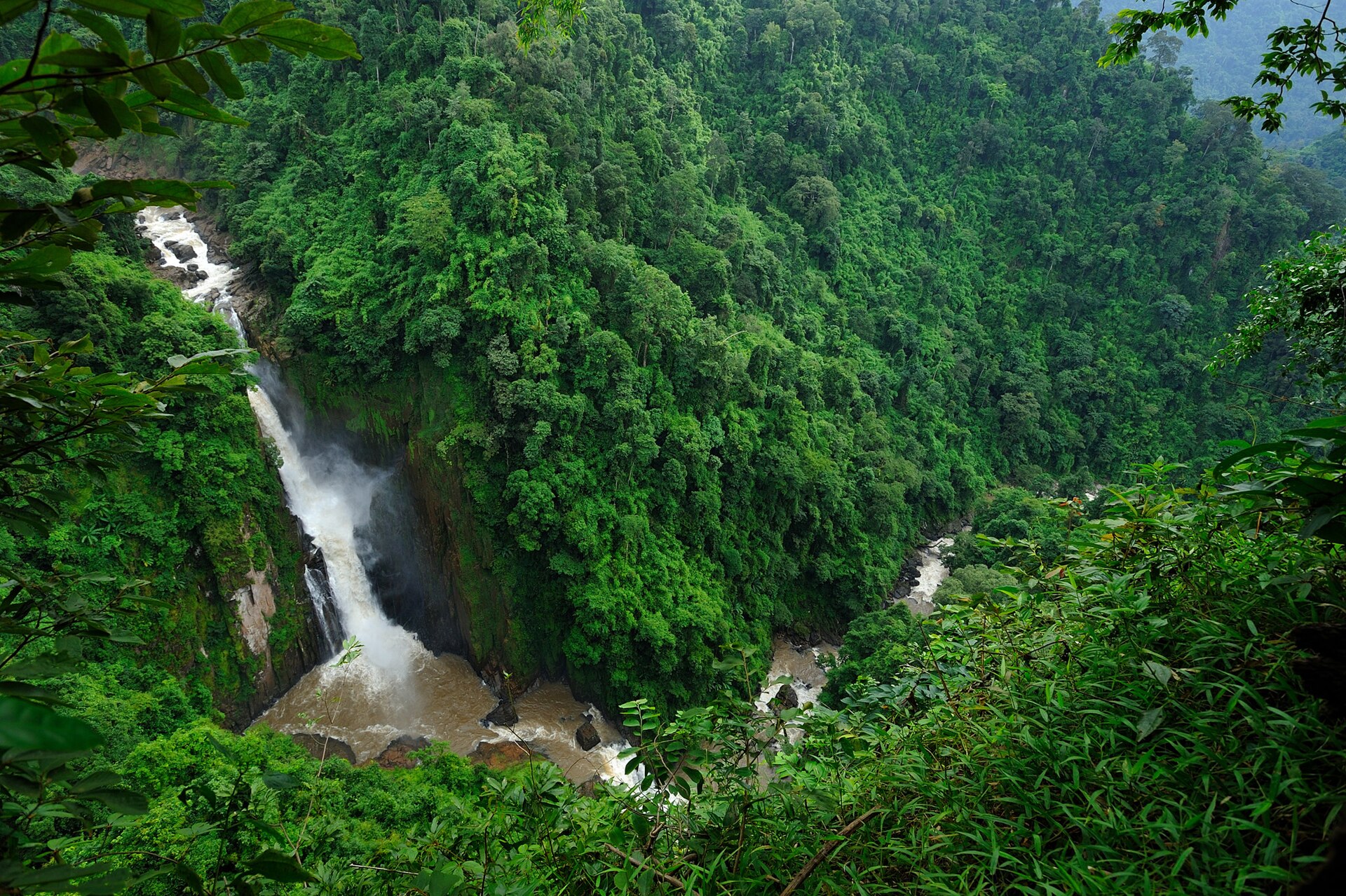
Bangkok has a jungle backyard, and almost nobody uses it properly. Khao Yai National Park is barely two hours from the city — yet inside those gates sits a UNESCO World Heritage forest that covers more than 2,000 square kilometres, shelters breeding populations of Asian elephants, Asiatic black bears, clouded leopards and some of Thailand’s most spectacular birdlife. Great hornbills alone are worth the drive: groups of a dozen or more cruise the ridgelines at dusk, calling loudly, utterly unbothered by your presence. Gibbons announce the morning. The falls run year-round. It is, for a first-time visitor to Thailand, often the most memorable day of an entire trip.
Going with a guide changes the experience entirely. Wildlife spotters read animal signs — fresh tracks on a muddy trail, a claw mark at the right height on a tree, the direction a hornbill flock is heading — and they know where the animals have been moving that week. They get you into the park before the day-trip buses arrive and out to the best evening watch points before sunset. This itinerary is built for a single overnight stay: enough time to do a proper jungle trek, swim in the waterfall, and still have the dawn walk that turns a good trip into a great one.
1Drive from Bangkok — Khao Yai park entrance2Khao Yai National Park — jungle trail3Haew Suwat Waterfall4Orchid Viewpoint — Pa Kluai Mai5Wildlife-watch drive
Photo not yet uploaded
Morning
Drive from Bangkok — Khao Yai park entrance
Your private vehicle departs Bangkok early — the road is easy and the plateau is cool by midmorning. We stop briefly at the visitor centre, pick up permits, and your naturalist guide briefs you on what animals have been active this week. No rush: the day is long and the pace is yours to set.
Photo not yet uploaded
Midday
Khao Yai National Park — jungle trail
Khao Yai’s trail network runs through genuinely dense, old-growth forest. Your guide chooses the route based on recent wildlife activity — typically 3 to 4 kilometres of mixed terrain through moist evergreen jungle, where the canopy closes overhead and the sounds change every few hundred metres. Gibbons, hornbills and macaques are commonly spotted; your guide reads the forest for signs of larger animals.
Photo not yet uploaded
Afternoon
Haew Suwat Waterfall
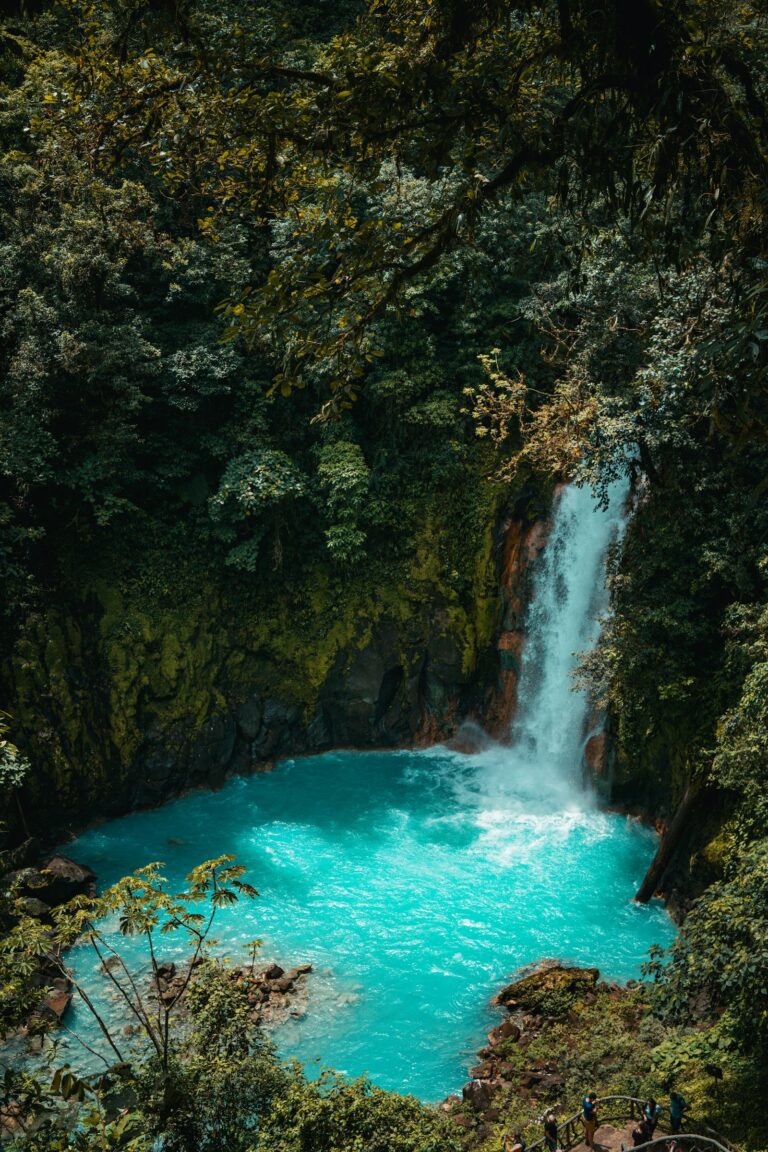
One of the park’s most beautiful falls — a wide curtain of water dropping into a jade-green pool, framed by forest on all sides. This is the waterfall that appeared in the film The Beach, and it earns the fame. Swim if you wish; the water is cool and clear. After the forest walk, it feels extraordinary.
Photo not yet uploaded
Late afternoon
Orchid Viewpoint — Pa Kluai Mai
A short drive to a ridge viewpoint where the hills fold away into haze and — in the right season — wild orchids line the path. The elevated position gives you the best chance of spotting raptors riding thermals and hornbill flocks heading to their roost trees.
Photo not yet uploaded
Evening
Wildlife-watch drive
At dusk the park road becomes one of Southeast Asia’s most rewarding wildlife corridors. Your guide drives slowly, spotlight optional, while barking deer, sambar, civets and elephants move in from the treeline to graze the roadside clearings. Even if you have seen wildlife all day, this hour is different — quieter, closer, the forest exhaling.
Breakfast
Lunch
Dinner
Hotel
guesthouse or mid-range hotel on the Khao Yai plateau, Pak Chong area (upgrade to boutique resort available)
Dawn wildlife walk · departure
1Dawn wildlife walk2Nang Rong Waterfall — a quieter farewell3Departure — or linger
Photo not yet uploaded
Early morning
Dawn wildlife walk
The alarm is early and worth it. The park is at its most alive in the first two hours after sunrise: gibbons call from the canopy, birds move in the understorey, and the morning mist sits low over the grassland edges where larger animals come to drink. This is the window that day-trippers never see — you are inside the park before the gates open to the public. Your guide walks a shorter, quieter loop with the specific aim of slow, attentive observation rather than covering distance.
Photo not yet uploaded
Morning
Nang Rong Waterfall — a quieter farewell
On the way out, a stop at Nang Rong — a three-tiered waterfall that sees far fewer visitors than Haew Suwat. The forest here is dense and the light through the canopy is at its best in the morning. A final swim if you want one, then a relaxed late-morning drive back to Bangkok.
Photo not yet uploaded
Midday
Departure — or linger
Back in Bangkok for the afternoon, or extend: Nakhon Nayok and Sarika Falls are nearby for a third night, or we can route you north toward Lopburi and the Central Plains. The trip also connects naturally with Kanchanaburi or the Isan rim for a longer loop.
Pricing
from $590 / person
Essential
$590
per person
Comfort
$760
per person
Boutique
$1,090
per person
What's Included
Included
Private car and driver throughout
Licensed English-speaking naturalist guide, both days
1 night's accommodation on the plateau
National park entrance fees
Daily breakfast + 1 featured dinner
Bangkok hotel pickup and drop-off
Not Included
International flights
Travel insurance (required)
Meals not listed, personal spending
Gratuities (at your discretion)
Frequently Asked Questions
How fit do I need to be for this trek?
Moderate fitness is enough. The park trails involve uneven terrain and tree roots, but there are no steep climbs or technical sections. Most guests of average fitness complete the full day comfortably. Good walking shoes — not sandals — are essential. Let us know if anyone in your group has mobility concerns and we will adapt the route.
Are wildlife sightings guaranteed?
No — and we will never promise otherwise. Khao Yai has one of the densest wildlife populations in mainland Southeast Asia, and hornbills, gibbons, macaques and deer are commonly encountered. Elephants appear on roughly 40% of visits. Our guides read animal signs and know where animals have been active that week, but wildlife moves on its own schedule. The honest answer is: sightings are very likely, not certain, and that is exactly what makes them meaningful.
How close is Khao Yai to Bangkok?
The park entrance is about 2 hours from central Bangkok by private car — closer than most visitors expect. It works well as a pre- or post-Bangkok extension with no need to change accommodation in the city. We pick you up from your Bangkok hotel in the morning and drop you back in the afternoon.
What should I pack?
Insect repellent is essential — bring a good DEET-based one and apply before entering the forest. Long lightweight trousers for the jungle trails (shorts are fine at the falls). A warm layer for cool evenings on the plateau, especially November through February when it can drop to 15°C at night. A rain jacket is worth bringing year-round. Binoculars make a significant difference for wildlife spotting — we carry a spare pair, but bringing your own is better.