20 provinces, the Mekong River, Khmer ruins older than Angkor Wat, and almost no Western tourists.

Isan is Thailand’s largest region, covering 20 provinces across the vast Khorat Plateau. It is also the most authentically, stubbornly Thai — a landscape of rice paddies, red-earth roads, and river-fishing communities where daily life has changed very little in a generation.
The region holds some of Southeast Asia’s most important heritage: Ban Chiang, a UNESCO World Heritage Site with 5,000 years of prehistoric history; Khmer temple complexes — Phanom Rung, Phimai — that predate and rival Angkor Wat; and Nong Khai’s surreal Sala Kaew Ku sculpture garden. Along the Mekong River, which forms the entire northern and eastern border with Laos, you will find some of the most dramatic sunsets anywhere in Asia.
Isan is also where Thailand’s finest silk comes from, where the Red Lotus Lake blooms in January, and where the Candle Festival in Ubon Ratchathani fills the streets with hand-carved beeswax sculptures each July. Western visitors are still rare enough to be a genuine novelty — and that alone makes every encounter feel real.
Isan rewards travellers who refuse to rush. Spend a morning at a village market and vendors start greeting you by name. Sit by the Mekong at sunset and the pace of the whole region settles into you. This is not a checklist of sights — it is 20 provinces where daily life has changed very little in a generation, and where almost no Western visitor bothers to slow down long enough to notice.
An honest answer from people who have been driving these roads for years.
Accommodation, food, and local services cost a fraction of Chiang Mai, Bangkok, or Phuket — without any compromise in experience.
Prasat Phanom Rung and Prasat Hin Phimai predate Angkor Wat — walk the same stone causeways with a hundredth of the visitors.
The Mekong forms Isan’s entire northern and eastern border — riverside sunsets over Laos are some of the quietest moments in Southeast Asia.
Hand-dyed matmee mudmee silk, woven on traditional looms in villages like Chonnabot — among the most beautiful textiles in the world.
Western visitors are still rare — morning markets and temple ceremonies aren’t performed for tourists, just real life you’re invited into.
Fiery, herb-driven Isan food — proper som tum, laab, and grilled Mekong fish — is barely known outside Thailand, and better than any imitation.
Isan is big — here are the six destinations that anchor every great northeast Thailand itinerary.

Home to UNESCO-listed Ban Chiang, one of the oldest Bronze Age settlements ever found, and the pink-blooming Red Lotus Lake each December–February.
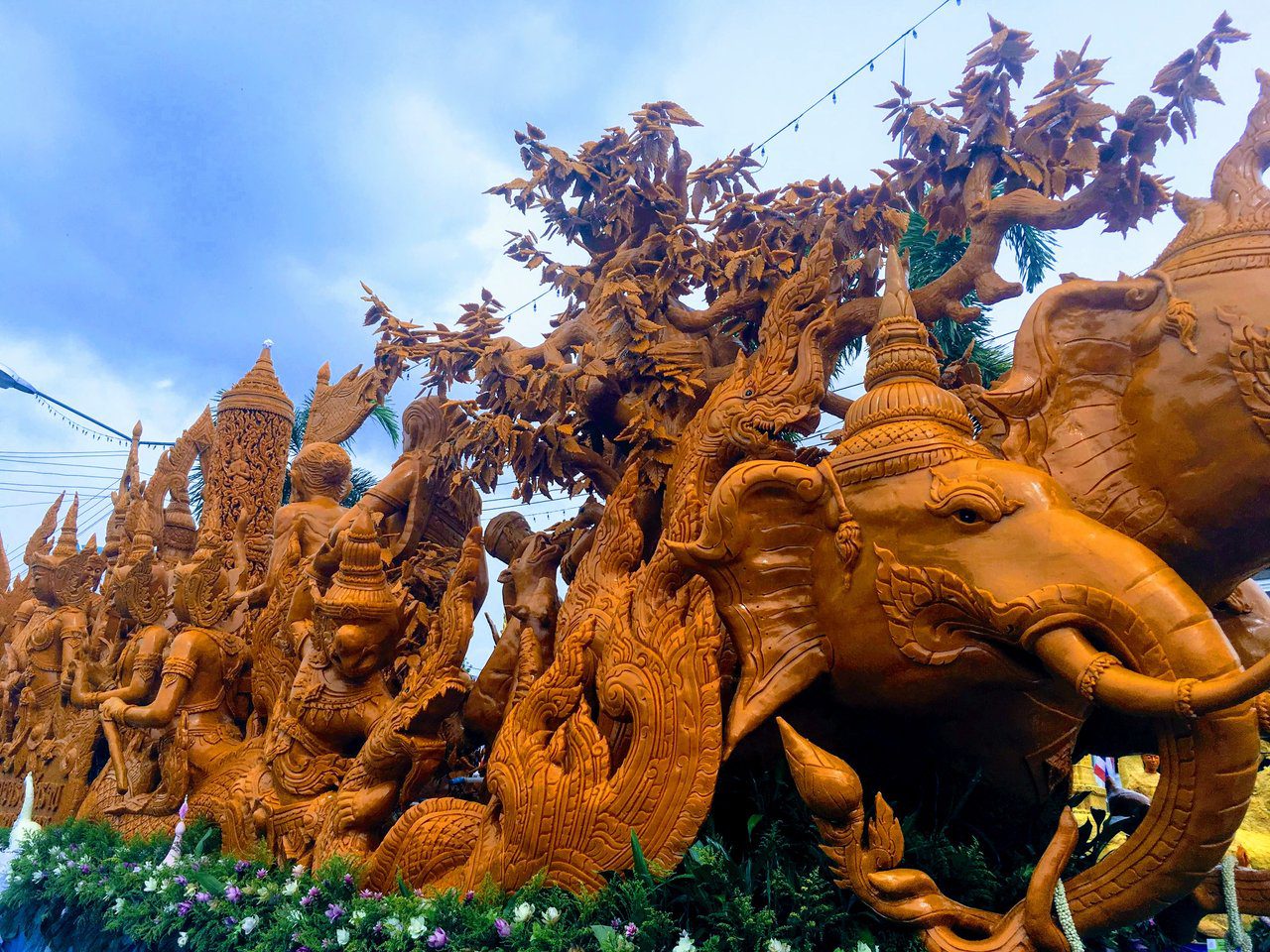
Isan’s cultural capital — home to the July Candle Festival’s hand-carved beeswax sculptures and gateway to the Mekong canyon at Sam Phan Bok.
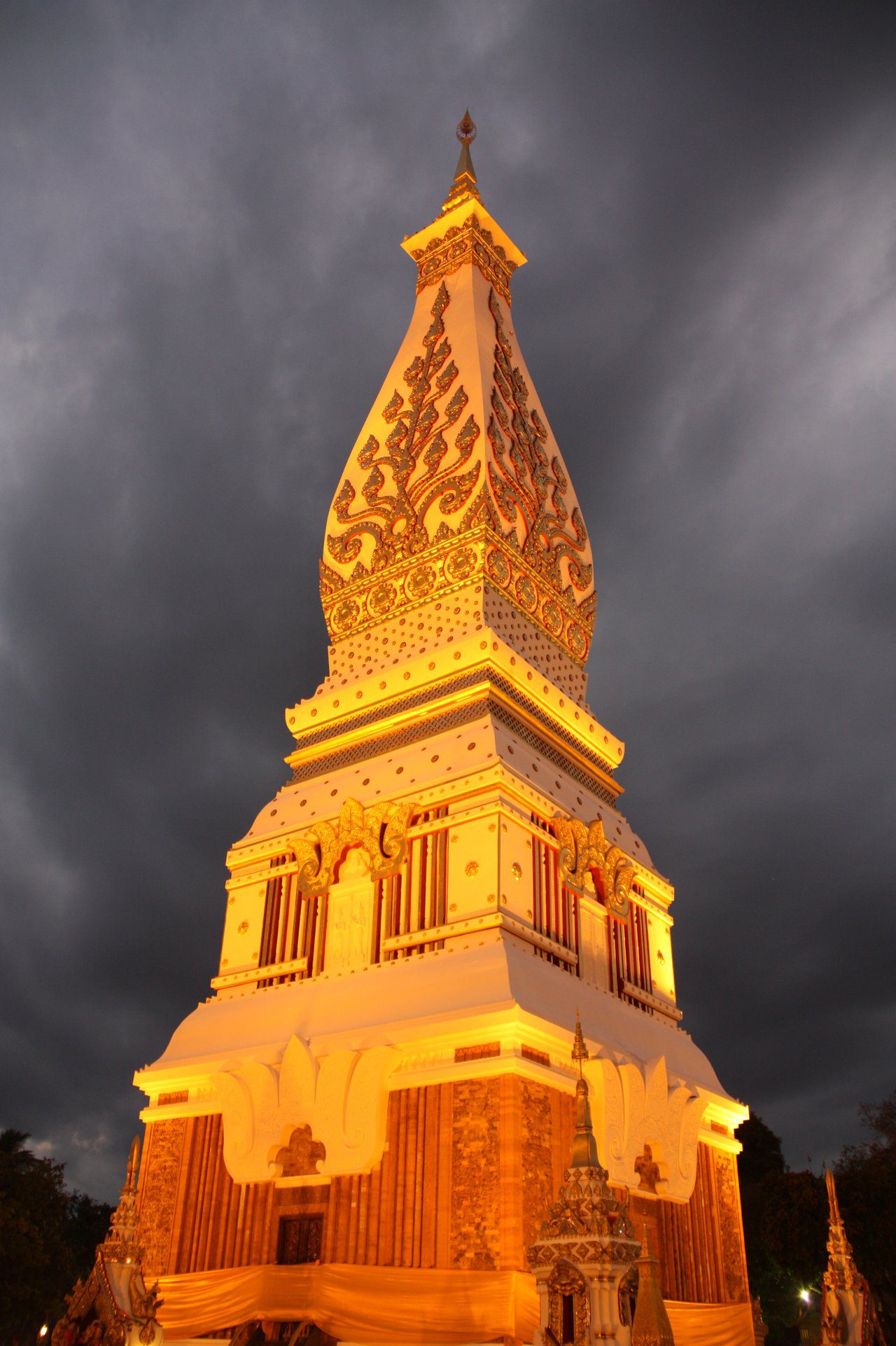
A quiet Mekong riverside city facing Laos, with some of the river’s most scenic stretches and the sacred, illuminated That Phanom stupa nearby.
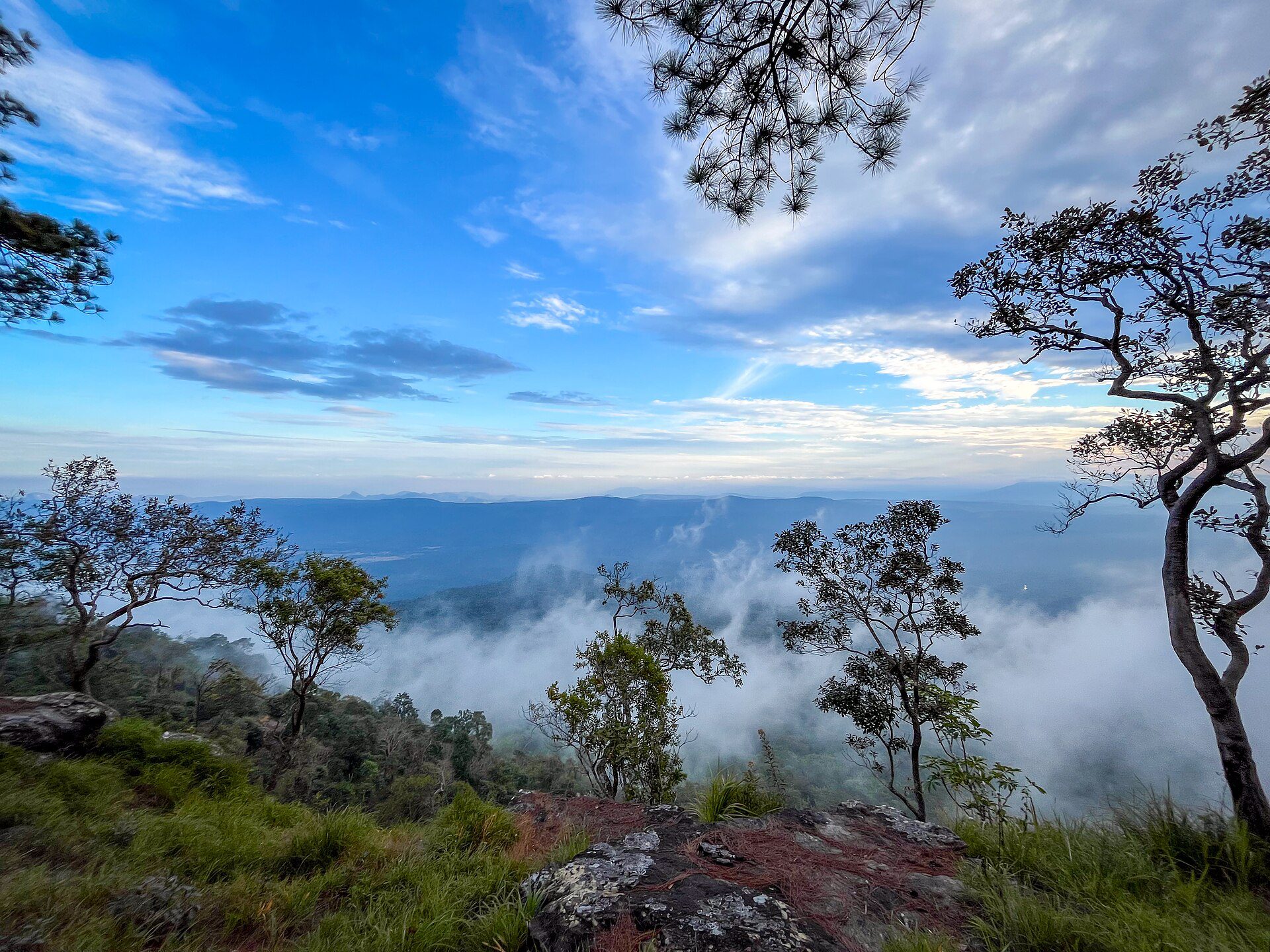
Where Isan meets the mountains — home to the misty highland trek of Phu Kradueng and Dan Sai’s wild, mask-covered Ghost Festival.
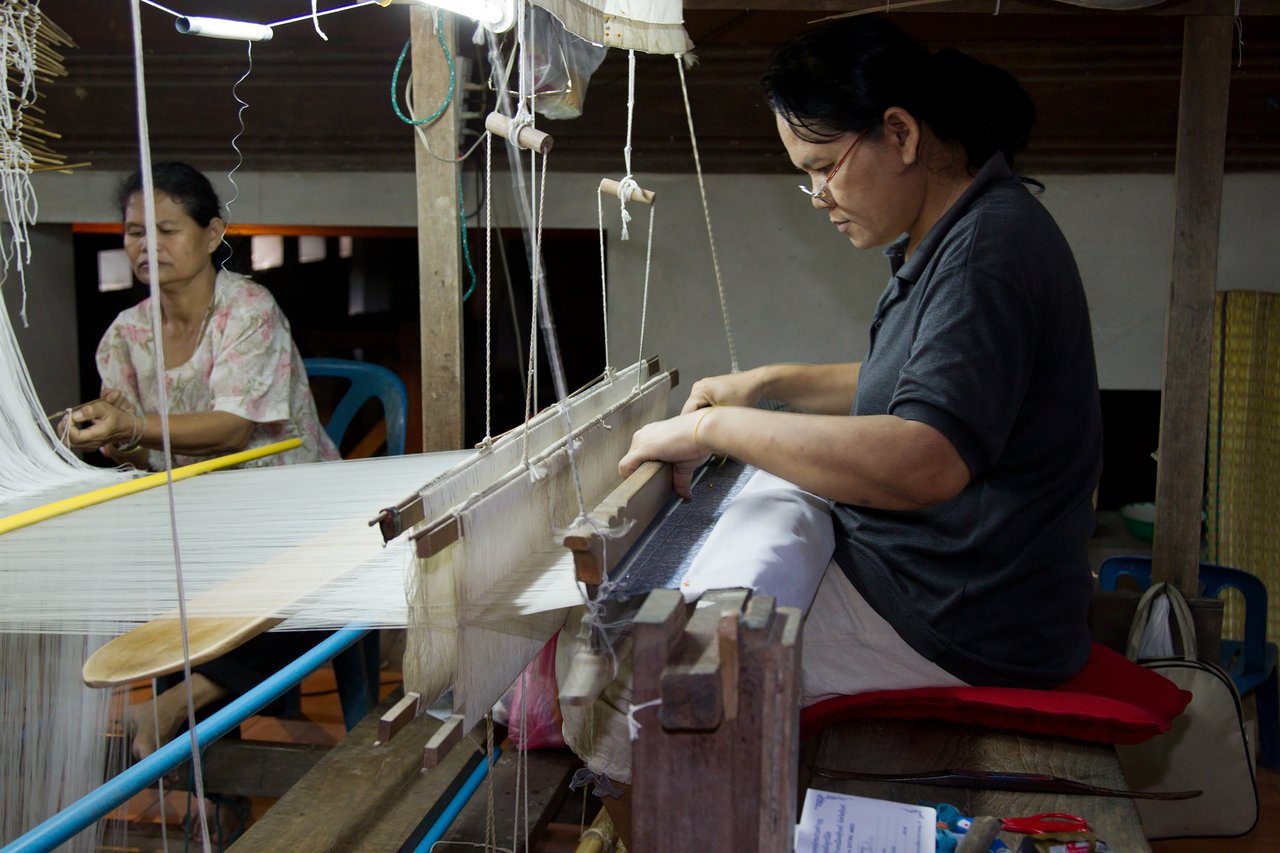
Thailand’s silk capital, where weavers still hand-loom matmee mudmee silk in Chonnabot — and a strong base for the Phu Wiang dinosaur fossil park.
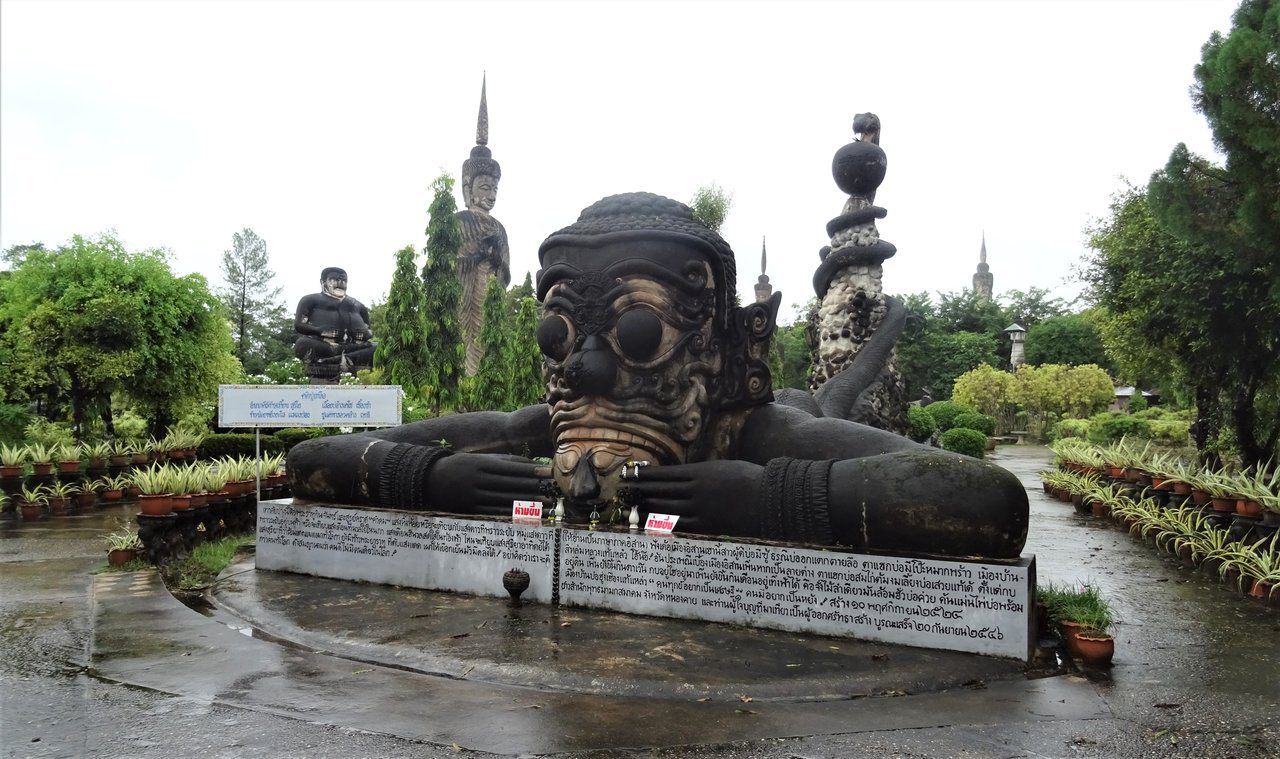
A laid-back Mekong town home to the surreal Sala Kaew Ku sculpture garden, the Friendship Bridge to Laos, and a Lao-produce morning market.
Private, licensed, and guided throughout — no shared buses, no generic itineraries.
What you need to know before planning your Isan trip.
Five more regions, five more sides of Thailand — from the misty north to the Andaman’s island beaches.
Tell us when you’re travelling, how many people are in your group, and what draws you to Isan — we’ll build an itinerary around exactly that. No call required, no commitment, no sales pitch.