
 We Go Round Travel Team
We’ve been building private trips to Thailand since 2009. In that time, we’ve had clients soak through their linen shirts at Songkran, watch a waterfall we recommended run bone-dry, and land in Koh Samui in glorious sunshine the same week Phuket was shuttered by storms. Thailand’s weather isn’t complicated — but the answers most travel guides give are dangerously oversimplified.
So here’s what we actually tell our clients when they ask. No “Thailand is tropical so expect rain” platitudes. Specific, regional, month-by-month honest.
Three Seasons — But That’s Not the Whole Story
Officially, Thailand has three seasons: a cool dry season (November–February), a hot season (March–May), and a rainy season (June–October). That framework works reasonably well for inland areas — Bangkok, Chiang Mai, the North, and Isan. But apply it to the coast and you’ll get it badly wrong, because Thailand has two separate coastlines that face different seas and experience opposite weather patterns.
The Coastline Problem Nobody Tells You About
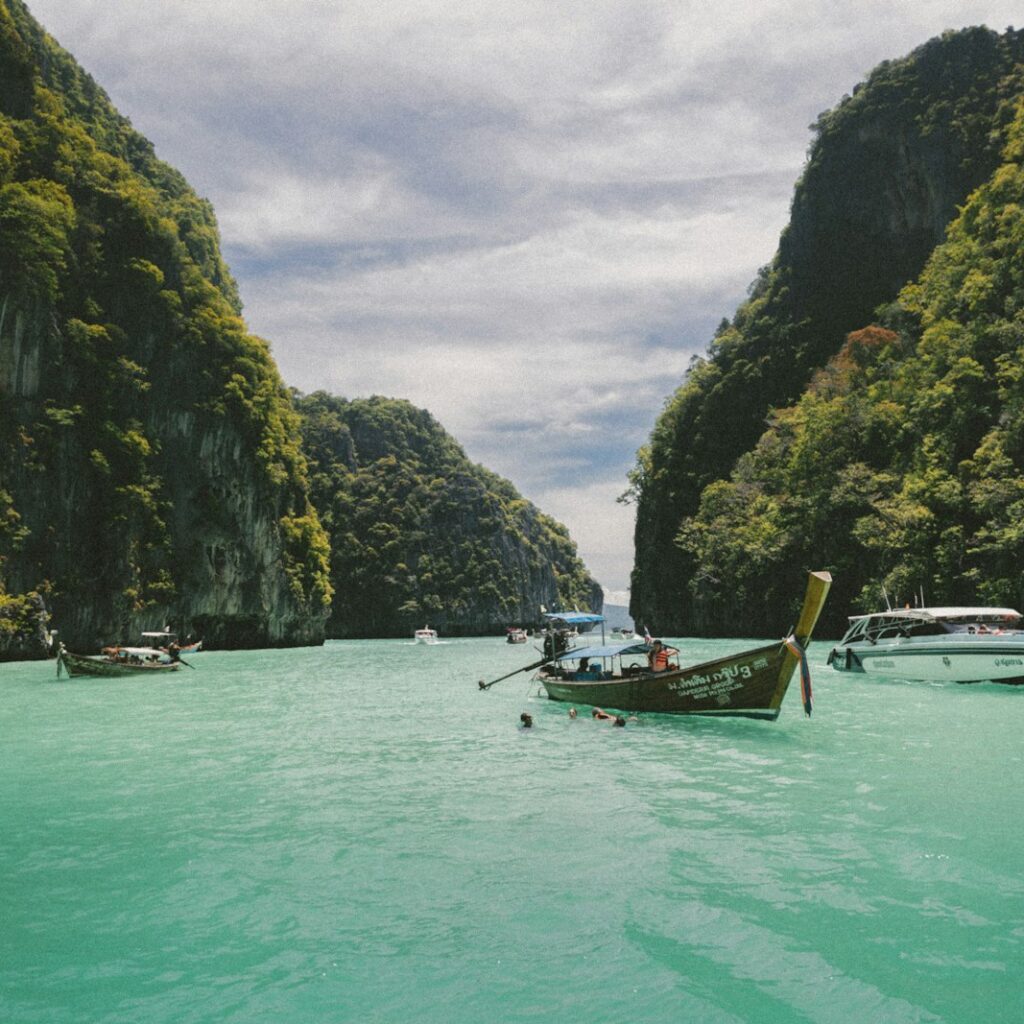
This is the single most important piece of information for anyone planning a beach component to their trip. The Andaman coast (Phuket, Phang Nga, Krabi, Koh Lanta, Koh Phi Phi) faces the Indian Ocean. It gets the southwest monsoon directly, meaning it is at its absolute best from November through April — and genuinely rough from May through October, with heavy surf, potential boat cancellations, and some resorts closing entirely.
The Gulf coast (Koh Samui, Koh Phangan, Koh Tao, Surat Thani province) is on the other side of the peninsula, sheltered from the southwest monsoon. Its rainy season runs November–December, brought by the northeast monsoon. This means that while the Andaman is shutting down in May, Koh Samui is opening up — and when Phuket is at its peak in December, Samui can be grey and wet.
| Period | Andaman Coast (Phuket, Krabi) | Gulf Coast (Koh Samui) | North / Chiang Mai |
|---|---|---|---|
| Nov – Feb | Best | Shoulder (Nov–Dec rain) | Best (cool, dry) |
| Mar – Apr | Great (last good months) | Best | Hot + haze (Apr peak) |
| May – Oct | Avoid (monsoon) | Best (May–Sep) | Lush, occasional rain |
The practical implication: if you want to combine the North with a beach stop, November through February gives you the best of both worlds on the Andaman side. If you’re travelling in June or July, the Gulf islands are your beach option — and the North is actually quite beautiful with full waterfalls and no tourist crowds.
Month by Month: Inland Thailand, North, and Isan
For Bangkok, Chiang Mai, the Northern hills, and the Northeast (Isan), here is what each month actually looks like on the ground. We’ve been travelling these regions for 17 years and these descriptions reflect reality, not marketing brochures.
The best month overall. Cool (15–20°C in Chiang Mai), dry, clear skies. High season crowds and prices. Book early for anything in the North.
Still cool and beautiful. Chiang Mai Flower Festival (first weekend) is worth timing your trip around — the moat is ringed with blooms. Warmer than January but not uncomfortably so.
Heat builds noticeably. In the North, burning season begins — farmers clear fields, visibility drops, and haze can obscure mountain views. Bangkok is hot but manageable. Fewer crowds.
38–40°C in Bangkok, haze thick in Chiang Mai. Songkran water festival (13–15 April) is spectacular if you embrace getting drenched — and therapeutic if you don’t mind the heat. Avoid if you’re heat-sensitive.
Still very hot, thunderstorms begin in the North. The haze usually clears with the first rains. End of Andaman beach season. We generally advise clients to avoid this month unless the festival timing is the draw.
North and Isan turn dramatically green. Rain is typically afternoon thunderstorms, not all-day drizzle. Phi Ta Khon ghost festival in Loei (dates vary, usually June). Far fewer tourists — a genuine advantage.
Waterfalls at their fullest — Erawan, Nam Tok Mae Klong, Thi Lo Su are genuinely dramatic. Ubon Ratchathani Candle Festival (late July, Asalha Bucha) is one of Thailand’s most underrated events. Accommodation prices at their lowest.
Peak of the rainy season. Some river crossings and back-road routes become difficult. Not a month we recommend for first-time visitors, though the rice harvest landscapes around Chiang Rai are extraordinary.
Rains ease in the North. Landscapes still beautifully green. OK Phansa (end of Buddhist Lent) sees boat racing festivals on rivers across Isan — an authentic, crowd-free experience.
One of our favourite months. The North is still lush but dry and cooling. Loy Krathong (full moon, usually mid-November) sees floating lanterns and krathong boats on rivers across the country — Chiang Mai’s Yi Peng sky lantern release is internationally famous.
Cool, dry, perfect — and fully priced. Andaman beaches at their best. Christmas and New Year bring the highest demand and prices of the year. Book three to four months ahead if you want anything near Chiang Mai or the Andaman coast.
Our Honest Recommendation by Traveller Type
First-time visitors: November through February
If you’ve never been to Thailand and want the most comfortable, reliable weather experience, this four-month window is your answer. Cool mornings in the North, clear skies for temple visits, calm Andaman seas for snorkelling — everything works in your favour. The tradeoff is that you’ll be sharing some sites with other travellers, and you’ll pay more for accommodation. It’s worth it.
Explore our itinerary collection to see how we structure trips in different seasons, or visit the travel guide for deeper regional breakdowns.
Repeat visitors or budget-conscious travellers: June through September in the North
If you’ve already done the classic circuit and want to see a different Thailand — or if your schedule doesn’t allow a November to February visit — the North and Isan in the green season is genuinely rewarding. You need to accept that some afternoons will involve rain, and a handful of back roads may be impassable. In exchange, you get waterfalls in full force, rice terraces at their most cinematic, and almost no other foreign tourists. We’ve been running trips in this period for years and the experiences our clients have are often more memorable than peak season.
Avoid: April and May everywhere
This is unusually blunt advice for a travel company to give, but we mean it. April is the hottest month of the year, the North is still hazy, and the Andaman monsoon has started. The only reason to be in Thailand in April is Songkran — which is genuinely worth experiencing once. Outside of that specific festival, April and May are the months we find it hardest to build itineraries around. Plan accordingly.
Festivals Worth Timing Your Trip Around
-
Feb
Chiang Mai Flower Festival — First weekend of February. The moat road and Nimmanhaemin gardens fill with elaborate floral floats. Best flower parade in Southeast Asia, and genuinely undervisited by international travellers. -
Apr 13–15
Songkran — Thai New Year water festival. Bangkok and Chiang Mai are the biggest celebrations. Expect to get completely drenched for three days. Joyful chaos at its finest. Not ideal if you have back-to-back temples scheduled. -
Jun–Jul
Phi Ta Khon (Ghost Festival), Loei — Dates set by the village spirit medium, usually June. One of Thailand’s most visually extraordinary festivals — masked processions, ancient ritual, very few foreign visitors. We can build a short Isan loop around it. -
Jul–Aug
Ubon Candle Festival — Asalha Bucha full moon, late July. Ubon Ratchathani carves enormous wax sculptures and parades them through the city. One of the Northeast’s crown jewels. Often overlooked on the Thailand circuit entirely. -
Nov
Loy Krathong & Yi Peng, Chiang Mai — Full moon in November. Thousands of sky lanterns released simultaneously over Ping River. The single most-photographed moment in Thai culture. Accommodation books out six weeks in advance — plan early.
For detailed region-specific planning, our Thailand Travel Guide covers packing, logistics, and what to expect in each area. When you’re ready to start putting dates together, get in touch and we’ll work with your timeline.
Festivals Worth Timing Your Trip Around
Feb — Chiang Mai Flower Festival: First weekend of February. The moat road and Nimmanhaemin gardens fill with elaborate floral floats.
Apr 13–15 — Songkran: Thai New Year water festival. Bangkok and Chiang Mai are the biggest celebrations.
Jun–Jul — Phi Ta Khon (Ghost Festival), Loei: One of Thailand’s most visually extraordinary festivals — masked processions, ancient ritual, very few foreign visitors.
Jul–Aug — Ubon Candle Festival: Asalha Bucha full moon, late July. Ubon Ratchathani carves enormous wax sculptures and parades them through the city.
Nov — Loy Krathong & Yi Peng, Chiang Mai: Full moon in November. Thousands of sky lanterns released simultaneously over the Ping River.
For detailed region-specific planning, get in touch and we’ll work with your timeline.
“Thailand has two coastlines with opposite seasons — understanding that single fact will save your beach holiday.”
Frequently Asked Questions
When is high season in Thailand?
Can you visit Thailand in rainy season?
What should I wear in each season in Thailand?
Hot season (March–May): As light as you can respectably wear. Loose cotton or linen, a sun hat, and sunscreen with a high SPF are non-negotiable.
Rainy season (June–October): Quick-dry fabrics throughout. Pack a packable rain jacket or a compact umbrella — buying a cheap one at a 7-Eleven is always an option. Avoid heavy denim.
Year-round: Temple visits require covered shoulders and knees. A lightweight scarf or sarong solves this in every season.