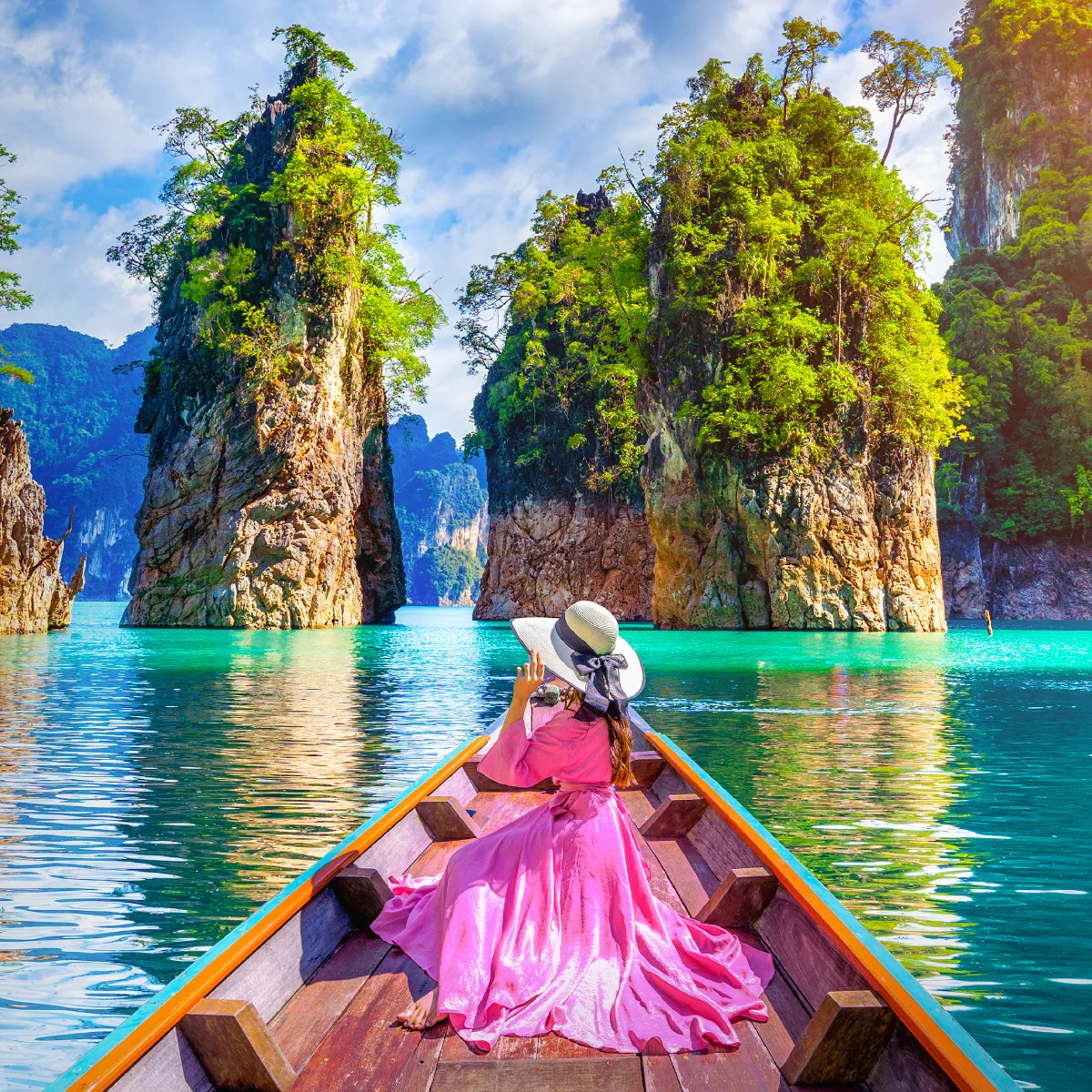
One of the world's oldest rainforests, a reservoir ringed by limestone towers older than Jurassic Park, and a morning so still that a longtail boat creates the only ripple on 165 square kilometres of emerald water. This is the Surat Thani itinerary that most people never find — because it requires someone who knows exactly where to go.
Khao Sok is 160 million years old. That number is worth pausing on: the forest here predates the Amazon, predates the ice ages, predates almost everything that gets called ancient anywhere else on the planet. The Ratchaprapha Reservoir — locally called Cheow Laan — was created in 1982 when a dam flooded a valley and turned the surrounding limestone karst mountains into islands rising from turquoise water. What looks like a dramatic natural landscape was partly shaped by modern engineering, and yet the result is so extravagantly beautiful that it has become one of Thailand’s most photographed places — and still one of its least crowded.
The three days in this itinerary begin at the 1,200-year-old Buddhist temple at Chaiya — the oldest surviving monument in the country, a fact the roadside signs do not adequately prepare you for — before moving into the forest and onto the water. You spend two nights at Panvaree The Greenery, a boutique property built into the forested edge of the reservoir, with kayaks at the dock and limestone towers visible from the pillow. Every morning is different depending on the mist. Every boat ride turns up something unexpected — a hornbill, a macaque, a curve in the shoreline that opens onto a panorama you were not warned about.
The itinerary
Ancient temples · southern flavours · arrival at the reservoir
1Wat Phra Borom That Chaiya — Thailand's Oldest Temple2Plabpla Seafood Restaurant — Southern Thai Lunch in Chaiya3Ratchaprapha Reservoir (Cheow Laan Lake) — Arrival on the Water4Panvaree The Greenery — Check-in
Photo not yet uploaded
Morning
Wat Phra Borom That Chaiya — Thailand's Oldest Temple
Begin in Chaiya district, an hour north of the provincial capital, at a temple that predates Angkor Wat by at least a century. Wat Phra Borom That Chaiya’s central chedi is built in the Srivijaya style — a squat, elaborately finned tower so different from the pointed spires of central Thailand that many first-time visitors mistake it for a Cambodian monument. The Srivijaya Empire, which controlled maritime trade across Southeast Asia between the 7th and 13th centuries, likely had its regional capital here, and the precision of the brickwork tells you that whatever civilization produced this had no shortage of ambition. Come before the day gets hot: the grounds are shaded but the stone radiates warmth by mid-morning, and the earlier light makes the white-washed chedi glow against a blue sky in a way that sunset simply does not replicate.
Insider tip: Worth knowing: the temple is still an active place of worship and home to a community of monks. Dress modestly — shoulders and knees covered. Photography is welcomed outside the inner sanctuary; check for signage before pointing a camera at the monks themselves.
Photo not yet uploaded
Late morning
Plabpla Seafood Restaurant — Southern Thai Lunch in Chaiya
A short drive from the temple through the coconut palms of Chaiya district brings you to Plabpla, a local institution that has been feeding people properly for long enough to qualify as a landmark in its own right. The menu follows the Gulf-coast southern tradition: seafood that arrived this morning from boats you can sometimes still see in the canal across the road, cooked with the generous hand for chilli and turmeric that distinguishes this region from every other cuisine in Thailand. Order the stir-fried crab if the kitchen has it, and the fresh fish in a sweet-sour broth if they do not. The space is wide and informal — fans turning overhead, plastic chairs, the sound of a busy kitchen — which is precisely the kind of place that produces the meal you will remember longest from this trip.
Photo not yet uploaded
Afternoon
Ratchaprapha Reservoir (Cheow Laan Lake) — Arrival on the Water
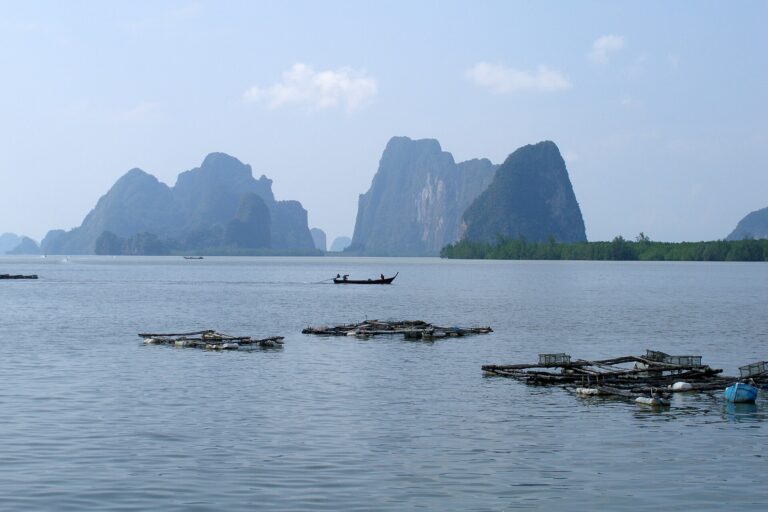
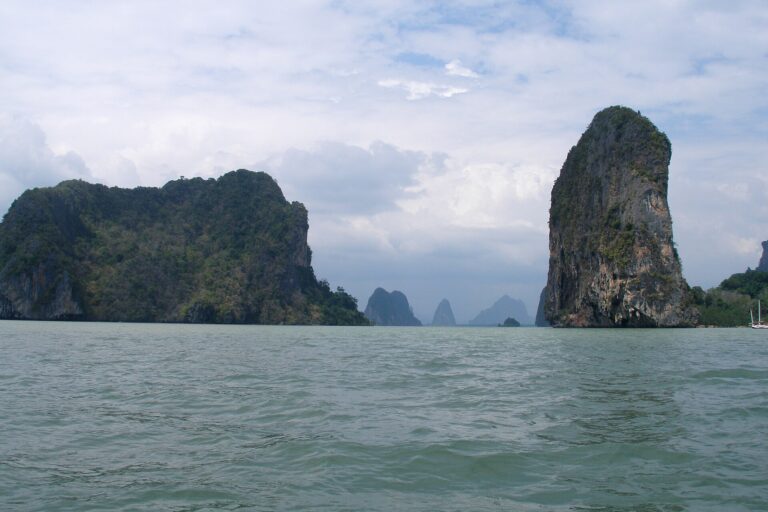
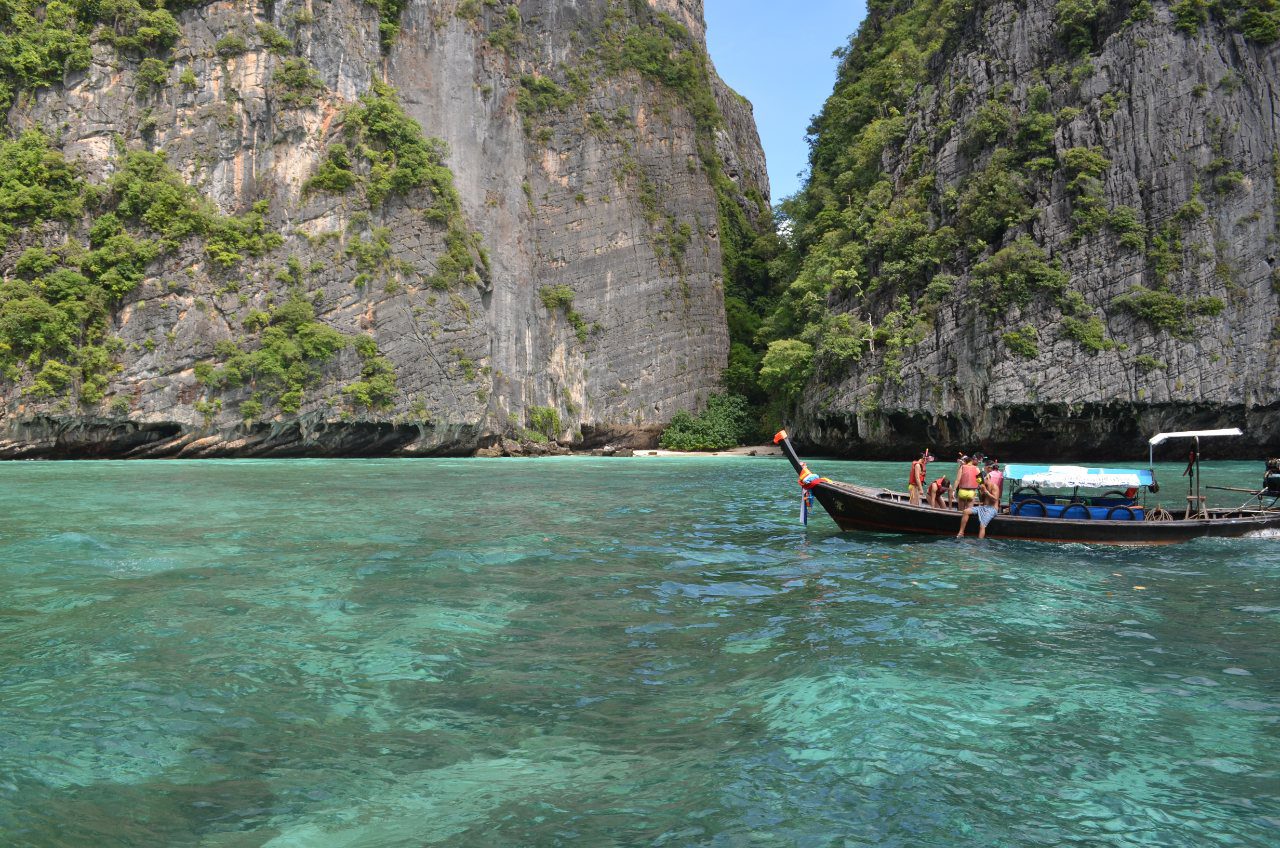
Two hours from Chaiya, the road through the forest ends at a jetty, and the jetty opens onto the reservoir. Nothing in the drive fully prepares you for the scale of it: 165 square kilometres of still water, with karst limestone towers rising 900 metres directly from the surface, their sheer faces covered in vines and the occasional fig tree growing from a crack in the rock face. The colour of the water shifts from deep green to turquoise to a pale mint depending on the angle of the light and the depth below — a function of the minerals washed down from the limestone — and the effect is unlike anywhere else in Thailand. Your boat transfer to the property glides past formations that have no names on any map and probably never will. Keep your phone charged.
Photo not yet uploaded
Evening
Panvaree The Greenery — Check-in
Set on the forested shore of the reservoir, Panvaree is the property that established the benchmark for what staying in Khao Sok should feel like. The architecture is restrained and intentional: dark timber and open sides facing the water, so that the limestone towers are framed like a living painting from your room. There are kayaks available at the dock, a small infinity-edge platform over the water, and a kitchen that takes local ingredients seriously. The nearest other guests may be in a raft house somewhere across the reservoir — the peace here is structural, built into the geography.
Breakfast
Lunch
Dinner
Hotel
Panvaree The Greenery, Ratchaprapha Reservoir — boutique forest lodge, direct lake access, limestone tower views, 2 nights
Dawn mist · three limestone peaks · coral cave underground
1Morning Mist Boat Ride — Wildlife Spotting on the Reservoir2Khao Sam Khloe — The Three Peaks Landmark3Tham Pha Rang — The Coral Cave
Photo not yet uploaded
Dawn
Morning Mist Boat Ride — Wildlife Spotting on the Reservoir
The alarm goes before sunrise, but this is the moment the entire itinerary is built around. In the half-light before 07:00, the reservoir surface is covered in a low mist that moves in slow currents between the limestone towers. A longtail boat leaves the Panvaree dock while the forest is still dark and the gibbons are just beginning their morning calls — a sound so loud and so strange that first-time visitors often mistake it for machinery. The bird life on the reservoir in these first hours is extraordinary: hornbills crossing between cliff faces, kingfishers working the shallows, grey herons standing motionless in the shallows below the tree line. Macaques come down to the water’s edge to drink. With patience and the right guide, you may see something rarer — the boat moves slowly and quietly for a reason.
Insider tip: What to bring: binoculars if you have them, a light layer (temperatures drop to 22–24°C on the water at dawn), and a camera with a fast lens or a phone with a good low-light mode. Our guide carries a spotter's knowledge of where the hornbills nest and adjusts the route accordingly each morning.
Photo not yet uploaded
Mid-morning
Khao Sam Khloe — The Three Peaks Landmark
After breakfast, the boat moves deeper into the reservoir toward the most photographed formation in Khao Sok: three limestone peaks rising side by side from the water in near-perfect symmetry, their reflections doubling the geometry on a calm day into something that looks designed rather than geological. This is the image that appeared on social media feeds worldwide after a series of celebrity visitors made it famous, and the reality, seen from water level rather than a screen, is considerably more impressive than any photograph can account for. The formations themselves are around 300 million years old — formed in a shallow tropical sea long before the rainforest arrived, pushed upward by tectonic forces over the following millions of years, and left here by the reservoir when the valley flooded in 1982. Take your time at the base; the acoustics of the cliff faces do something unusual to sound.
Insider tip: Best angle: the peaks read best from the northeast, in morning light. Our guide positions the boat for the reflection shot before the sun climbs high enough to bleach the colour from the water. Polarising filter recommended if you shoot with a camera.
Photo not yet uploaded
Afternoon
Tham Pha Rang — The Coral Cave
Accessible only by boat and a short walk through forest, Tham Pha Rang is the cave that most day-trippers miss entirely because reaching it requires an hour on the water each way and a guide who knows the unmarked path from the shore. The interior is worth the effort: stalactites and stalagmites shaped over thousands of years of mineral-rich water dripping through limestone have produced formations that bear an uncanny resemblance to brain coral — branching, layered structures in cream and amber that cluster from floor to ceiling in the cave’s largest chamber. The cave itself is cool, quiet, and lit by the headlamps your guide carries; the contrast with the heat and light outside is immediate and dramatic. Walk slowly; the formations at head height are real and fragile.
Insider tip: Footwear: the path to the cave involves a short scramble over wet rock at the entrance. Closed-toe shoes with grip are essential; sandals are not appropriate. Our guide brings additional lighting for the deeper sections.
Breakfast
Lunch
Dinner
Hotel
Panvaree The Greenery — Night 2. Dinner on the terrace; the reflection of the stars in the reservoir is worth staying awake for.
The heart-shaped mountain · riverside lunch · departure
1Khao Phang Suspension Bridge — The Heart-Shaped Mountain2Keang Khlong Cheow Laan Restaurant — Farewell Lunch by the River
Photo not yet uploaded
Morning
Khao Phang Suspension Bridge — The Heart-Shaped Mountain
Before leaving the reservoir area, there is one more stop that rewards an early start: a wire-cable suspension bridge that crosses the river near Ban Takhun village, famous not for the bridge itself but for the mountain visible behind it. Khao Phang’s ridgeline, when seen from the right position on the bridge at the right time of morning, forms a silhouette that unmistakably resembles the outline of a heart — a coincidence of geology that has made this one of the most shared photographs from southern Thailand without ever appearing in a major guidebook. The surrounding area is covered in forest and there is a small community market nearby where vendors sell honey, dried fruit, and bottled jungle-herbal drinks. Buy something. The bridge walk takes ten minutes; most people take considerably longer.
Insider tip: Best time: arrive between 07:30 and 09:00 when the morning light falls from the east and the mountain's silhouette is sharpest against the sky. The bridge sways gently underfoot — this is structural, not a maintenance issue, but if your group includes anyone uncomfortable with movement underfoot, let the guide know in advance.
Photo not yet uploaded
Late morning
Keang Khlong Cheow Laan Restaurant — Farewell Lunch by the River
The final meal of the trip takes place on a terrace built directly over the river at Keang Khlong Cheow Laan, where the menu is built around the same southern Thai flavour principles you encountered on day one — but here the setting adds something that no restaurant in a city can replicate: the sound of moving water under your table, the tree canopy overhead closing out most of the sky, and the knowledge that the forest on both riverbanks is part of the national park and has been exactly this quiet for a very long time. Order the river fish, take your time over the meal, and resist the urge to check your phone. The drive back to Surat Thani city or the airport takes about two hours from here.
Insider tip: Transfers: from the restaurant, your private car connects to Surat Thani Airport (URT), Surat Thani Train Station, or your next destination in the south. Onward connections to Koh Samui, Koh Phangan, and Krabi are all manageable on the same afternoon. Tell us your onward logistics and we plan around them.
Pricing
from $990 / person
Essential
$990
per person
Comfort
$1,280
per person
Boutique
$1,830
per person
What's Included
Included
2 nights' accommodation at Panvaree The Greenery
Licensed English-speaking guide throughout
Private air-conditioned car and driver
Daily breakfast at the property
All entrance fees and national park permits
Dawn wildlife boat ride on the reservoir
Coral Cave boat transfer and guided walk
Bottled water and snacks in the vehicle
Airport/station transfers within Surat Thani
Travel insurance (basic)
Not Included
Flights to/from Surat Thani
Lunch and dinner (unless noted)
Alcohol and personal beverages
Raft house overnight upgrade (add-on available)
Personal shopping
Gratuities for guide and driver (at your discretion)
Make It Yours
This is a starting point — make it yours. Every We Go Round trip is private and built to your pace. Popular ways people adapt this Khao Sok itinerary: Spend one night in a floating raft house on the reservoir — a different kind of dark, a different kind of quiet Extend by two days to include a guided jungle trek in the old-growth forest around the visitor centre Add on Koh Samui or Koh Phangan — the ferry connection from Surat Thani makes a combined forest-and-island trip easy Connect south to Krabi for a full southern circuit covering rainforest, reef, and dramatic coastline Get my proposal — free, within 48h WhatsApp us
Frequently Asked Questions
Is Khao Sok the same as Surat Thani?
Khao Sok National Park sits inside Surat Thani province, about 100 km northwest of the provincial capital by road. Most visitors fly into Surat Thani Airport (URT) or arrive by overnight train, then transfer by private vehicle to the park — the drive takes roughly 90 minutes through rubber and oil palm plantations before the road enters the forest. Our team handles every transfer so you step off the plane and straight into the itinerary.
When is the best time to visit?
December to April is the recommended window for this Khao Sok itinerary. The reservoir water runs its clearest green-turquoise between January and March, mornings are cool enough for good mist effects on the water, and rainfall is at its lightest. Khao Sok receives rain year-round — the 160-million-year-old rainforest is here because of it — but the Gulf-coast side of Surat Thani sees its heaviest rain from October to January, while the Andaman-facing interior dries out from November to April. Plan around that geography and you will rarely get rained off the boat.
How physically demanding is this itinerary?
The pace is easy throughout. Boat rides on the reservoir require nothing beyond boarding and disembarking from a floating jetty. The Coral Cave involves a short walk over wet rock at the entrance — closed-toe shoes are necessary, but the distance is less than 200 metres. The Khao Phang suspension bridge is a flat crossing. The one optional moment that asks more of you is the scramble to viewpoints above the reservoir — these are genuinely optional and our guide always offers an alternative. Anyone travelling with knee or balance concerns should tell us in advance so we can plan around it.
How far ahead should we book?
Panvaree The Greenery has a small number of rooms — particularly the lakefront-facing accommodations — that fill well in advance during the December to February peak. We recommend booking eight to ten weeks ahead for that window. For the shoulder season of March to May, two to three weeks is usually sufficient. We hold your dates on a 30% deposit with the balance due 30 days before departure, and our team confirms all activity bookings, boat arrangements, and restaurant reservations before your arrival so nothing depends on availability on the day.